 Workshop
Beyond Transparency: Algorithmic Management and Socio‑Technical Accountability in Platform Work
XU Exponential University, Potsdam in collaboration with the Berlin Social Science Center (WZB)

About the Workshop
This one-day expert workshop brings together researchers, unions, NGOs, platform representatives, and policy/practice actors to examine how algorithmic management shapes working conditions and representation in the German platform economy.
The workshop approaches algorithmic management as a socio-technical accountability challenge that moves beyond the limits of existing transparency debates. It explores how worker rights, regulatory requirements and sustainable business models can be better aligned to support a more equitable platform economy.
Why This Workshop Now
Regulatory Momentum
AI Act & Platform Work Directive shaping new regulations
Changing Labour Dynamics
Shifts in power, data, and representation in platform work
Accountability Challenges
Building practical models for fair and inclusive algorithmic management
Concept & Framing
The workshop conceptualises algorithmic management as a socio-technical system that structures labour processes, allocates risks, and redistributes power across platforms, workers, and regulators.
Rather than focusing exclusively on transparency, the workshop foregrounds accountability, participation, and co-determination. It connects empirical research with regulatory debates and practice-based perspectives from worker organisations and platform governance initiatives.
Programme Overview
Arrival and registration
Opening: welcome, framing of aims, AM in platform work, regulatory context (AI Act & Platform Work Directive)
Expert Session 1: Labour process and power under algorithmic management
Lunch break (catered, mingling time)
Expert Session 2: Data power, worker organisation and platform accountability
Coffee break
Expert Session 3: Participation, co‑determination and governing algorithmic management
Fairwork/XU findings in dialogue + closing synthesis and next steps
Speakers
Main Academic Inputs
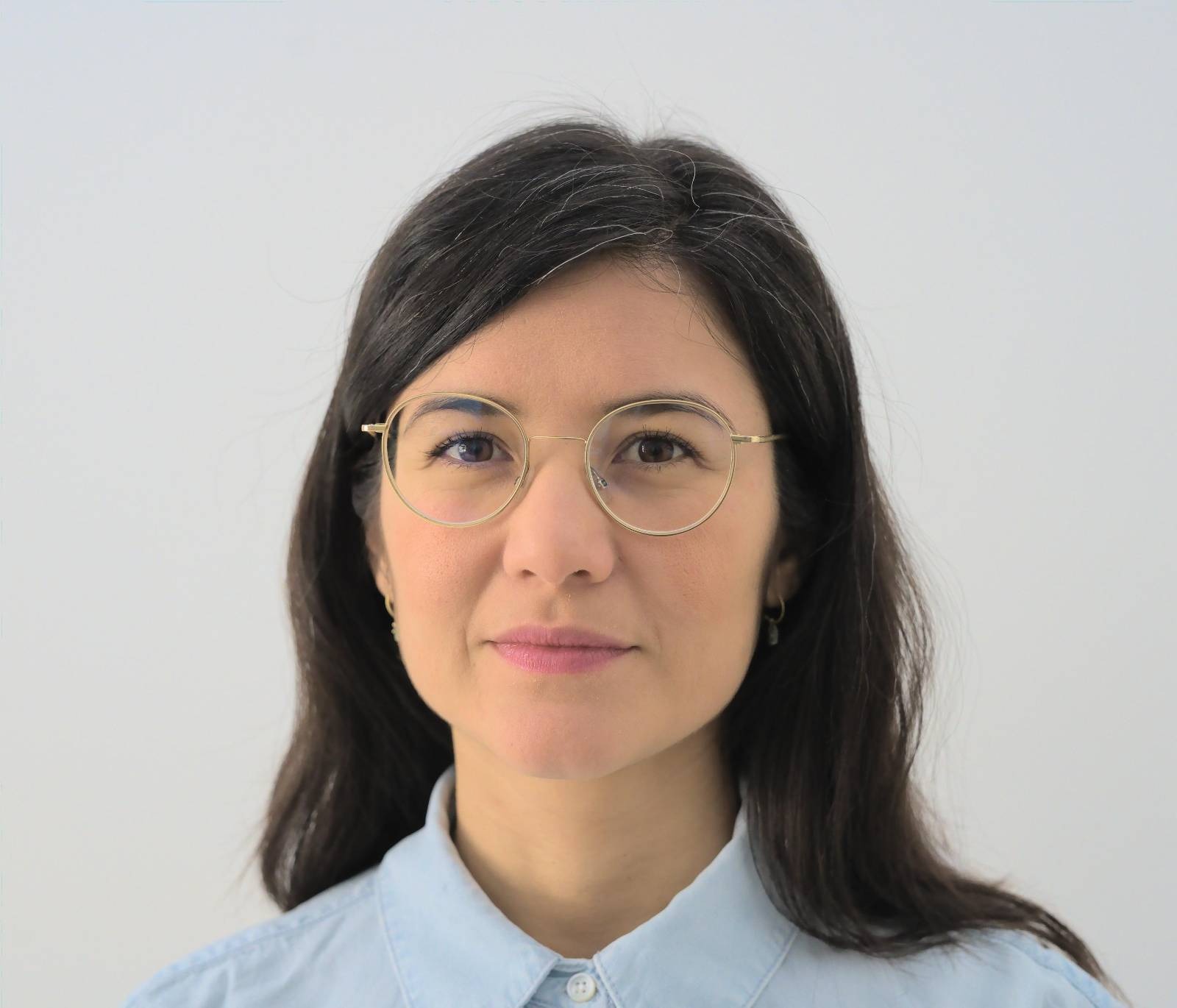
Dr Jessica Pidoux
PersonalData.IO
Jessica Pidoux is a sociologist and postdoctoral researcher at the University of Neuchâtel, Switzerland. She holds a doctorate in digital humanities (EPFL) and specialises in the sociology of algorithms and work, employing participatory methods. Her expertise includes matching algorithmic systems and personal data protection. As the director of the NGO PersonalData.IO, she has conducted algorithmic audits of gig platforms, contributing to fair working conditions and informing digital policy debates.
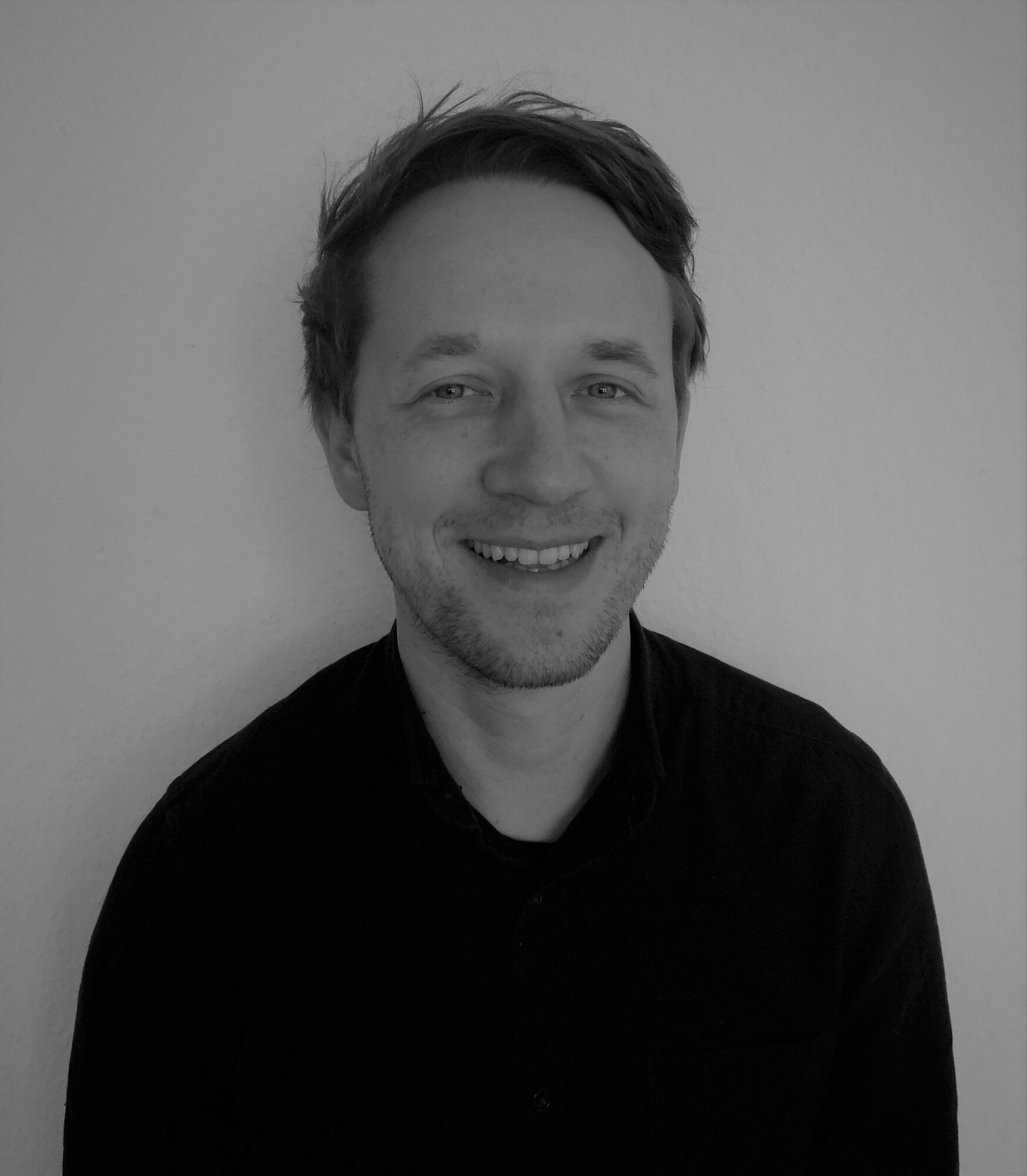
Dr Heiner Heiland
University of Göttingen
Heiner Heiland is a postdoctoral researcher at the University of Göttingen. His research focuses on digital work processes and how algorithms govern them, as well as how they are interpreted and used by workers.
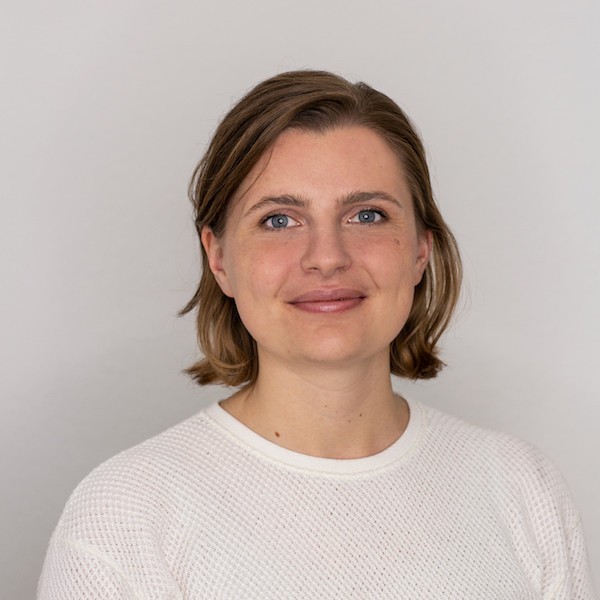
Dr Anne Mollen
University of Münster
Dr. Anne Mollen conducts research on automation, algorithms and "Artificial Intelligence" at the Institute of Communication Studies at the University of Münster. She focuses on the sustainability of AI, automation and public opinion formation, algorithm-based discrimination, and the use of automated decision-making systems in the workplace. She holds a PhD from the University of Bremen. As an expert on AI and digitization, Anne has advised various civil society organizations and political bodies on national, European and global level.
Moderation & Discussants
- Dr Patrick Feuerstein & WZB Fairwork Team
- Worker representatives from the Lieferando Works Council
- Policy & NGO Stakeholders: Miriam Oliver (GIZ), Alexandra Wudel (FemAI), Joanna Bronowicka (Centre for Interdisciplinary Labour Law Studies, European University Viadrina)
- As well as further discussants and stakeholders (to be confirmed).
Request a Place
We have a limited number of additional seats for researchers, unions, NGOs, platform representatives, and policy/practice actors working on platform work, algorithmic management, worker representation, or related governance questions.
Places are limited due to room size and the interactive format.